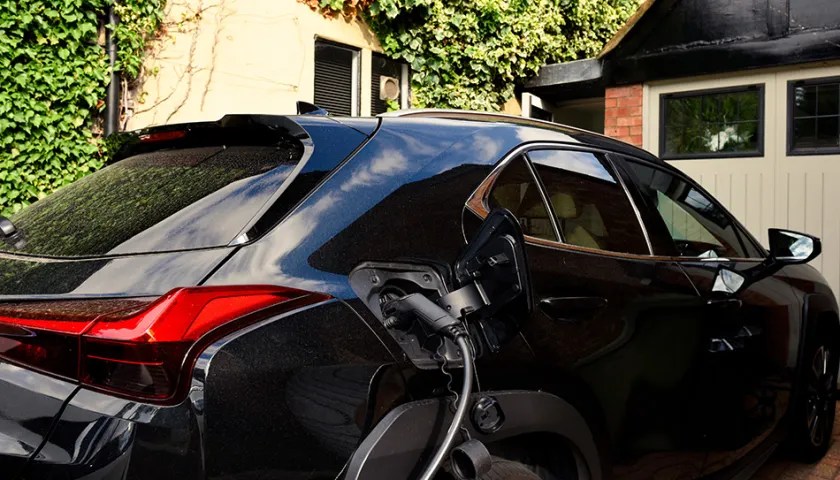
As Canada accelerates toward a greener future, electric vehicles (EVs) are taking over roads faster than ever. Zero-emission vehicles (ZEVs) now make up nearly 14% of all new car sales—a massive jump from just 3.8% in 2020. With EVs dominating the ZEV market, home charging stations are becoming essential.
If you own an EV (or plan to buy one), installing a home charger could save you time, money, and the hassle of relying on public stations. But how much does it cost? What type of charger is best? And can condo owners even install one?
This 2025 guide covers everything you need to know about home EV charging in Canada, including:
✔ Types of EV chargers (Level 1 vs. Level 2 vs. public fast charging)
✔ Costs & rebates for home installation
✔ Condo & apartment charging rules (what’s allowed?)
✔ Safety & legal considerations
✔ Long-term savings of owning an EV
EV Charging in Canada: Why Home Charging Is the Smart Choice
Public charging stations are expanding, but demand is growing even faster. Home charging offers:
✅ Convenience – Charge overnight while you sleep
✅ Cost savings – Avoid premium public charging rates
✅ Reliability – No waiting in line for an available station
If you’re considering an EV, here’s what you need to know about setting up a home charger.
1. Types of Home EV Chargers: Which One Is Right for You?
All EVs in North America use the same plug, but charging speeds vary. Here’s a breakdown:
🔌 Level 1 Charging (120V Outlet)
- What it is: Uses a standard household outlet (included with most EVs)
- Charging time: 8+ hours for an 80% charge
- Best for: Occasional drivers or as a backup option
- Cost: Minimal (no installation needed if outlet is available)
⚡ Level 2 Charging (240V Outlet – Recommended for Most Owners)
- What it is: Faster charging using a 240V outlet (like a dryer plug)
- Charging time: 4–10 hours for an 80% charge
- Best for: Daily drivers & those who want faster charging
- Cost: 500–500–2,000+ (including professional installation)
🚀 Level 3 Charging (DC Fast Charging – Public Use Only)
- What it is: Ultra-fast charging (found at gas stations & public hubs)
- Charging time: Under 1 hour for a full charge
- Not for home use (too expensive & requires commercial-grade power)
Smart Chargers: The Future of Home Charging
Some Level 2 chargers come with Wi-Fi connectivity, allowing:
- Remote charging scheduling (to use off-peak electricity rates)
- Energy usage tracking
- Software updates for efficiency
2. How Much Does It Cost to Install an EV Charger at Home?
Costs vary depending on:
✔ Electrical panel capacity (older homes may need upgrades)
✔ Distance from panel to charger (longer runs = higher costs)
✔ Permits & local regulations
Estimated Costs (2025)
| Scenario | Estimated Cost |
|---|---|
| Level 1 (existing outlet) | 0–0–200 |
| Level 2 (basic installation) | 800–800–2,000 |
| Level 2 (panel upgrade needed) | 1,500–1,500–4,000+ |
💰 Rebates & Incentives
Many provinces offer EV charger rebates (up to 50% off installation). Check:
- Natural Resources Canada’s EV incentives page
- Local utility programs (some offer discounts for off-peak charging)
3. Can You Install an EV Charger in a Condo or Apartment?
Short answer: It’s possible, but not always easy.
Challenges for Condo Owners
- Condo board approval required (may involve a vote)
- Upfront costs (could be $5,000+ for wiring & installation)
- Legal agreements (who pays for electricity? Maintenance?)
How to Get Approval
- Review condo bylaws – Some buildings already allow EV chargers.
- Submit a proposal – Include cost estimates & installation plans.
- Apply for government incentives – Some programs help multi-unit buildings install chargers.
💡 Tip: If you’re buying a condo, ask your REALTOR® about EV charging policies before making an offer.
4. Safety & Legal Considerations
EV chargers are high-power devices, so safety is critical.
Key Safety Steps
✔ Hire a licensed electrician (required in most provinces)
✔ Check for Canadian certification marks (e.g., CSA, cUL)
✔ Ensure your electrical panel can handle the load
✔ Follow local permitting rules (some cities require inspections)
Ontario’s Electrical Safety Authority (ESA) provides helpful guides, but always check your province’s regulations.
5. The Real Cost Savings of Owning an EV
While installing a charger has upfront costs, EVs save money long-term:
| Expense | Gas Car (Annual Cost) | EV (Annual Cost) |
|---|---|---|
| Fuel | ~$3,000 | ~300–300–600 |
| Maintenance | ~$1,200 | ~$600 |
| Insurance | Varies | Possible discounts |
✅ Total potential savings: $3,000+/year
Final Verdict: Is a Home EV Charger Worth It?
✔ YES if… You drive regularly, want convenience, and plan to keep your EV long-term.
✔ MAYBE NOT if… You rarely drive or live in a condo with no charging options.
Pro Tip: If you’re house hunting, filter listings on REALTOR.ca for homes with “EV charger” already installed!
 Richard Wang